TorontoOntario · 36 tours
 Niagara FallsOntario · 25 tours
 New York CityNew York · 30 tours
 Las VegasNevada · 8 tours
 San FranciscoCalifornia · 16 tours
 VancouverBritish Columbia · 17 tours
 DubaiUAE · 54 tours
 Abu DhabiUAE · 5 tours
 Buenos AiresArgentina · 23 tours
 AthensGreece · 31 tours
 AucklandNew Zealand · 38 tours
 CancunMexico · 54 tours
No destinations match “”. Try searching all tours instead — that search understands full questions, not just place names.
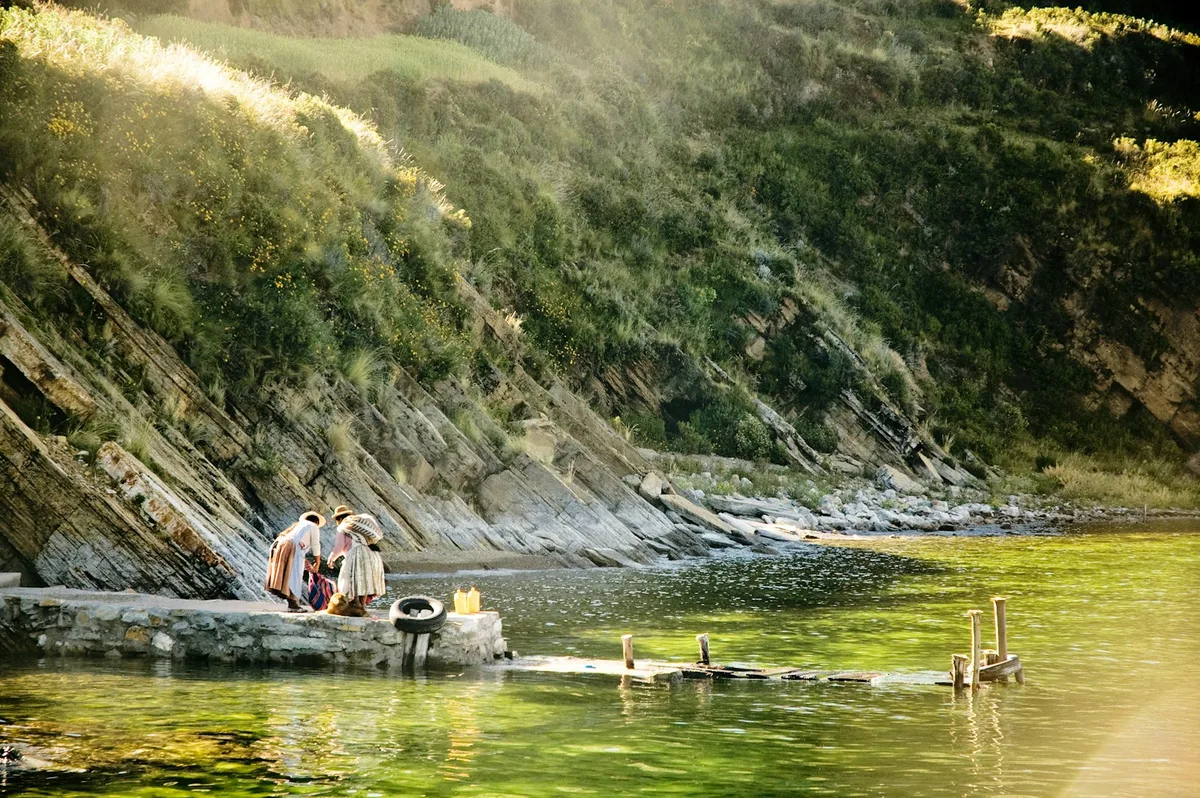
An island on the Bolivian side of Lake Titicaca considered sacred in Inca mythology as the birthplace of the sun, reached by boat and explored on foot along its ridgeline trails and terraced villages.
 Multi-Day Tours
A grand 20-day journey across Peru and Bolivia — from Lima, Arequipa and Colca Canyon, across Lake Titicaca into La Paz, the Uyuni salt flats, Potosí and Sucre, before returning through Tiwanaku to Cusco and Machu Picchu.
 Multi-Day Tours
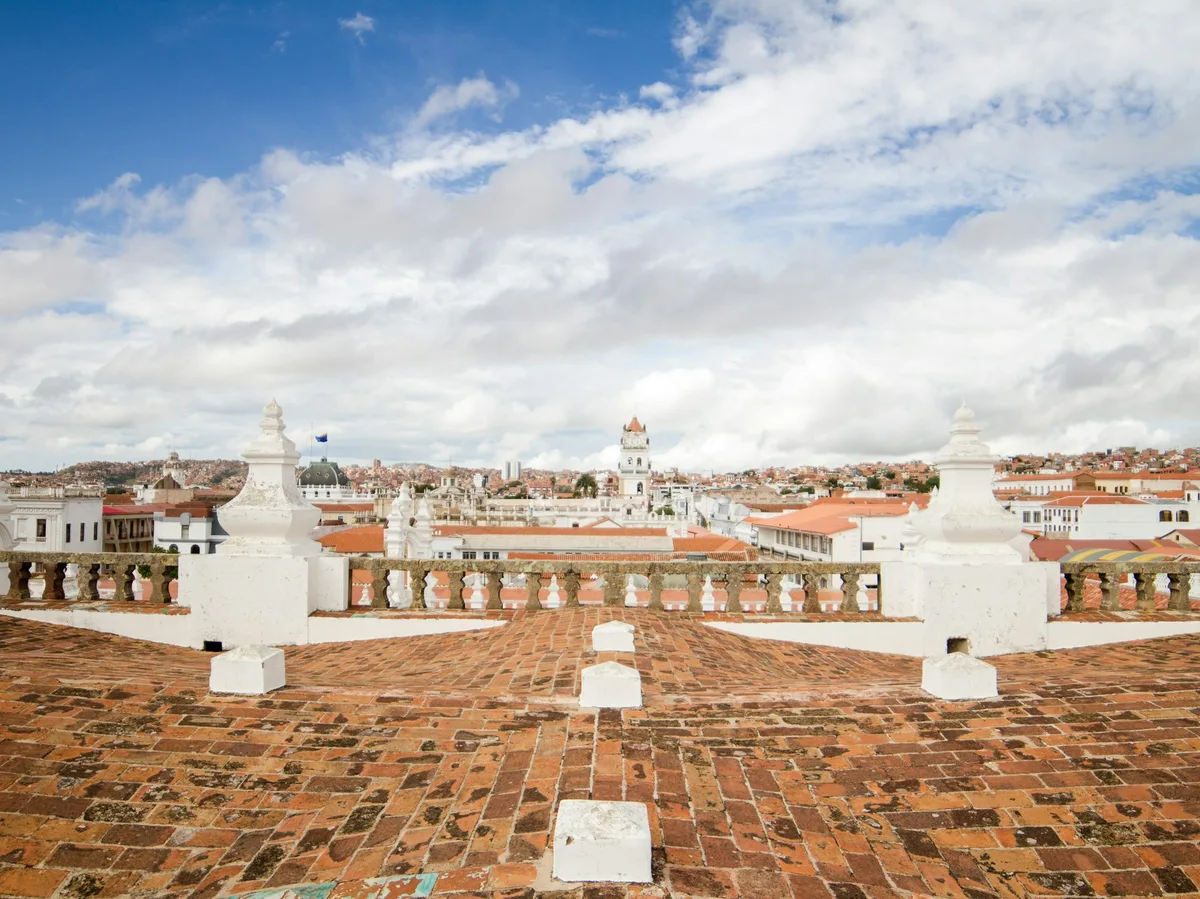
Sixteen days covering Bolivia's essentials — Santa Cruz, the colonial cities of Sucre and Potosí, the Uyuni salt flats and South Lipez, Lake Titicaca's islands, and a hands-on community stay by Laguna Tuni near La Paz.
 Multi-Day Tours
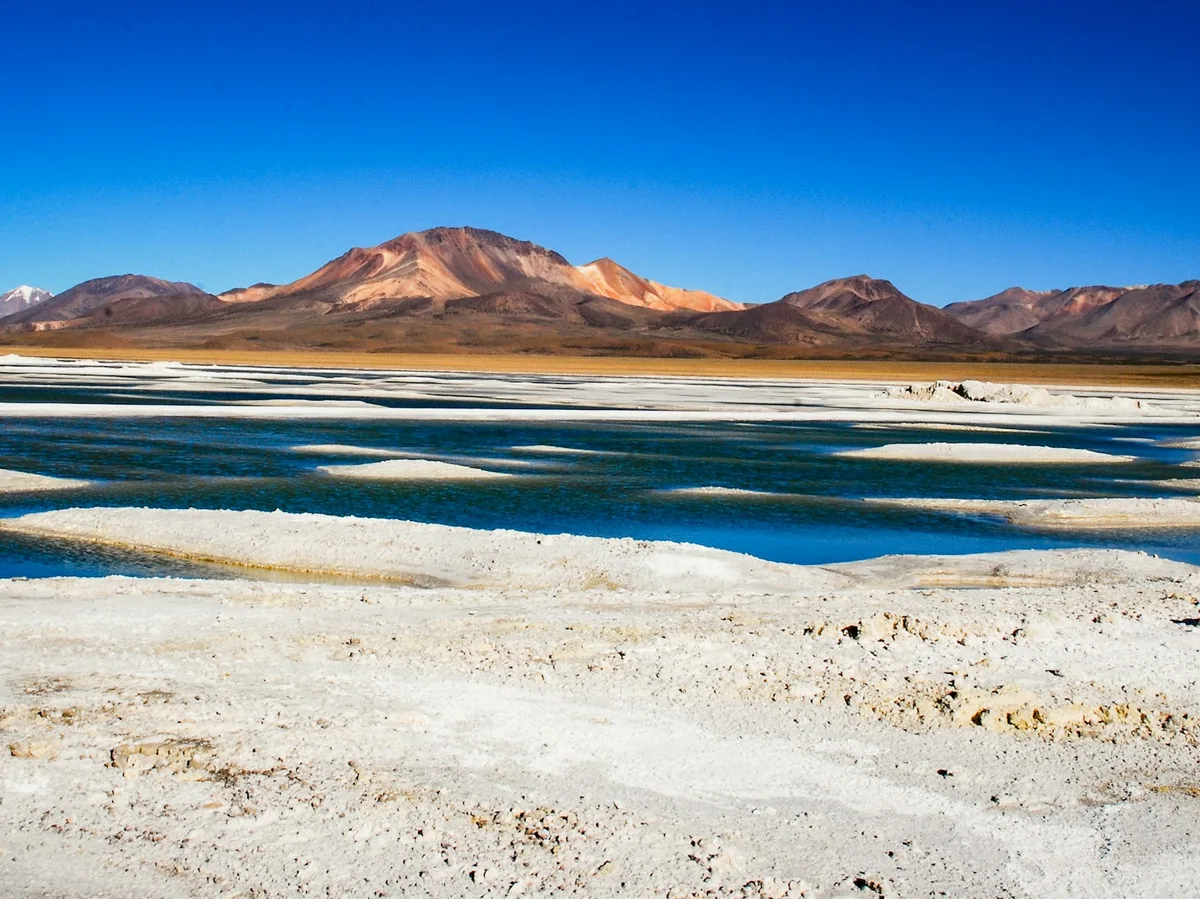
An eight-day sweep through Bolivia's natural highlights — La Paz's city sights, a night on Lake Titicaca's Isla del Sol, and sunset at the Uyuni salt flats before crossing the otherworldly Siloli Desert and Dali Desert.
 Multi-Day Tours
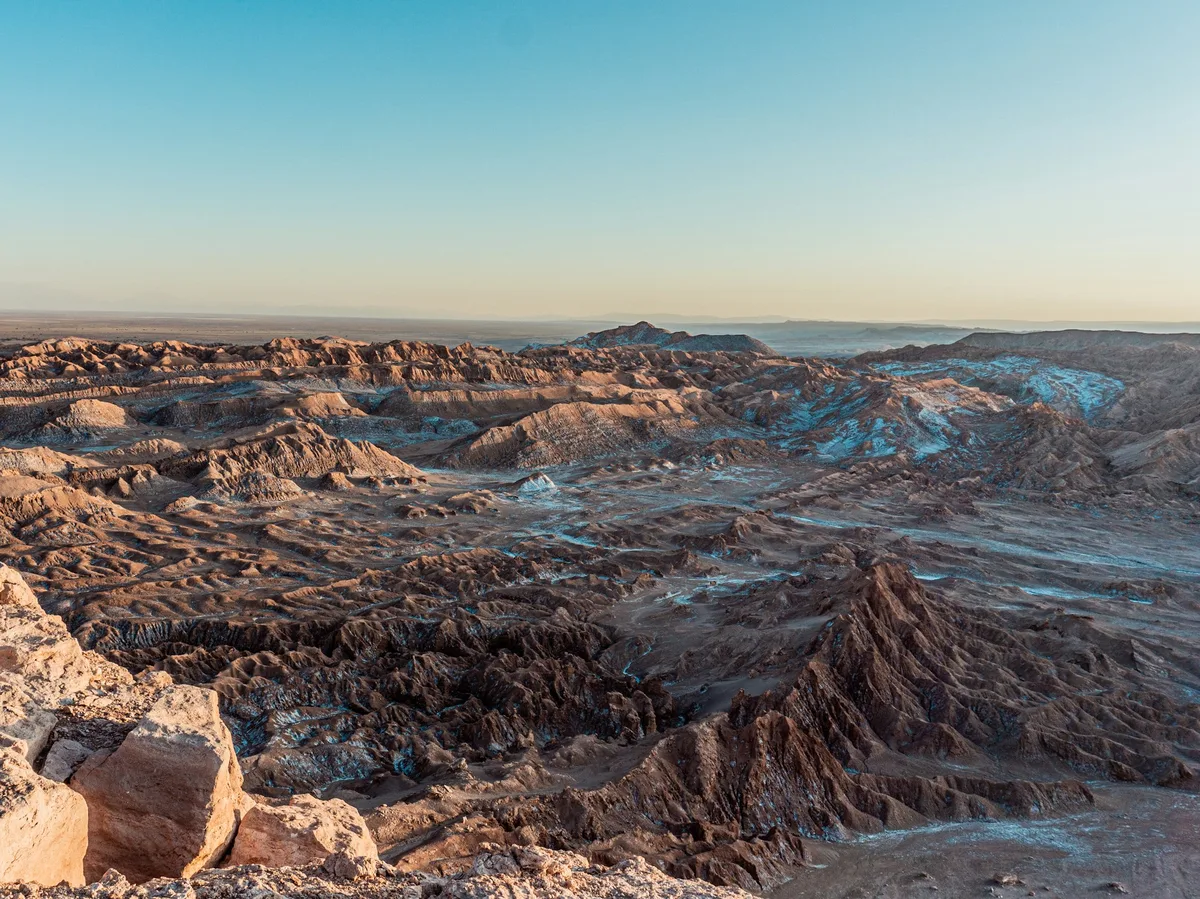
Fourteen days from Bolivia's eastern lowlands to Chile's Atacama Desert — Santa Cruz and Amboró National Forest, La Paz and Lake Titicaca's Isla del Sol, the Uyuni salt flats, then a crossing into San Pedro de Atacama's volcanic landscapes.
Visitor guide
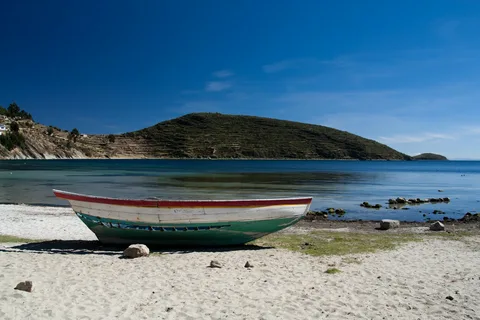
Isla del Sol, the Island of the Sun, lies in the southern part of Lake Titicaca and belongs to Bolivia's La Paz Department. In Inca tradition it is the place where the sun was born, and its ruins, terraces and footpaths make it one of the most significant cultural sites on the lake.
The terrain is rocky and hilly, with many eucalyptus trees, and the island has no motor vehicles or paved roads. About 800 families live there, mostly farming, with fishing and tourism supplementing a subsistence economy. Yumani and Challapampa are the largest villages. Many hills carry agricultural terraces that adapt the steep land for farming, and a walking path runs down the island's centre. Inca stone stairs and a fountain are found at Yumani, whose climate record shows mean daily maximums around 14 degrees Celsius year-round and a record low of minus 6 degrees.
The chronicler Bernabe Cobo recorded two versions of a myth set on the northern part of the island. In both, the first Inca, Manco Capac, emerges from the crag at Titi Qala, a sandstone outcrop regarded as the sun's dwelling place. In one version people frightened by days of darkness saw the sun emerge from the rock, and in the other the island was the first land to appear after a great flood. The Inca ruler Tupac Inca Yupanqui later expanded the temple and built a convent for chosen women and an inn for pilgrims. The Aymara name of the island, Titi'kaka, has an uncertain meaning, though some scholars connect it to titi, an Andean cat, and qala, rock.
Wikipedia reports over 80 ruins on the island, most from the Inca period around the 15th century AD, and evidence of habitation going back to at least 2200 BC. Excavations at Ch'uxu Qullu found preceramic remains and eight obsidian flakes from the Chivay source in the Colca Canyon, showing that islanders took part in long-distance exchange. The island was occupied through the Formative periods and had a major Tiwanaku settlement; the Tiwanaku ritual site of Chucaripupata lies near Titi Qala.
After the Inca conquered the southern Titicaca region, Titi Qala became one of the most important pilgrimage destinations in the Inca state, comparable to the oracle at Pachacamac. Other notable ruins include the labyrinth-like Chinkana, Q'asa Pata and Pillkukayna at the southern end. Underwater excavations from 1989 to 1992 recovered Inca and Tiwanaku artefacts, now displayed in a site museum at Challapampa.
Boats link the island with Copacabana on the mainland shore of Bolivia, and visitors typically explore on foot along the ridgeline paths. The altitude is nearly 4,000 metres, so the walks are demanding. Voyzo runs private tours with a private vehicle and driver, and a private guided visit suits the island's walking routes.
See every tour and attraction we cover in Bolivia.