TorontoOntario · 36 tours
 Niagara FallsOntario · 25 tours
 New York CityNew York · 30 tours
 Las VegasNevada · 8 tours
 San FranciscoCalifornia · 16 tours
 VancouverBritish Columbia · 17 tours
 DubaiUAE · 54 tours
 Abu DhabiUAE · 5 tours
 Buenos AiresArgentina · 23 tours
 AthensGreece · 31 tours
 AucklandNew Zealand · 38 tours
 CancunMexico · 54 tours
No destinations match “”. Try searching all tours instead — that search understands full questions, not just place names.
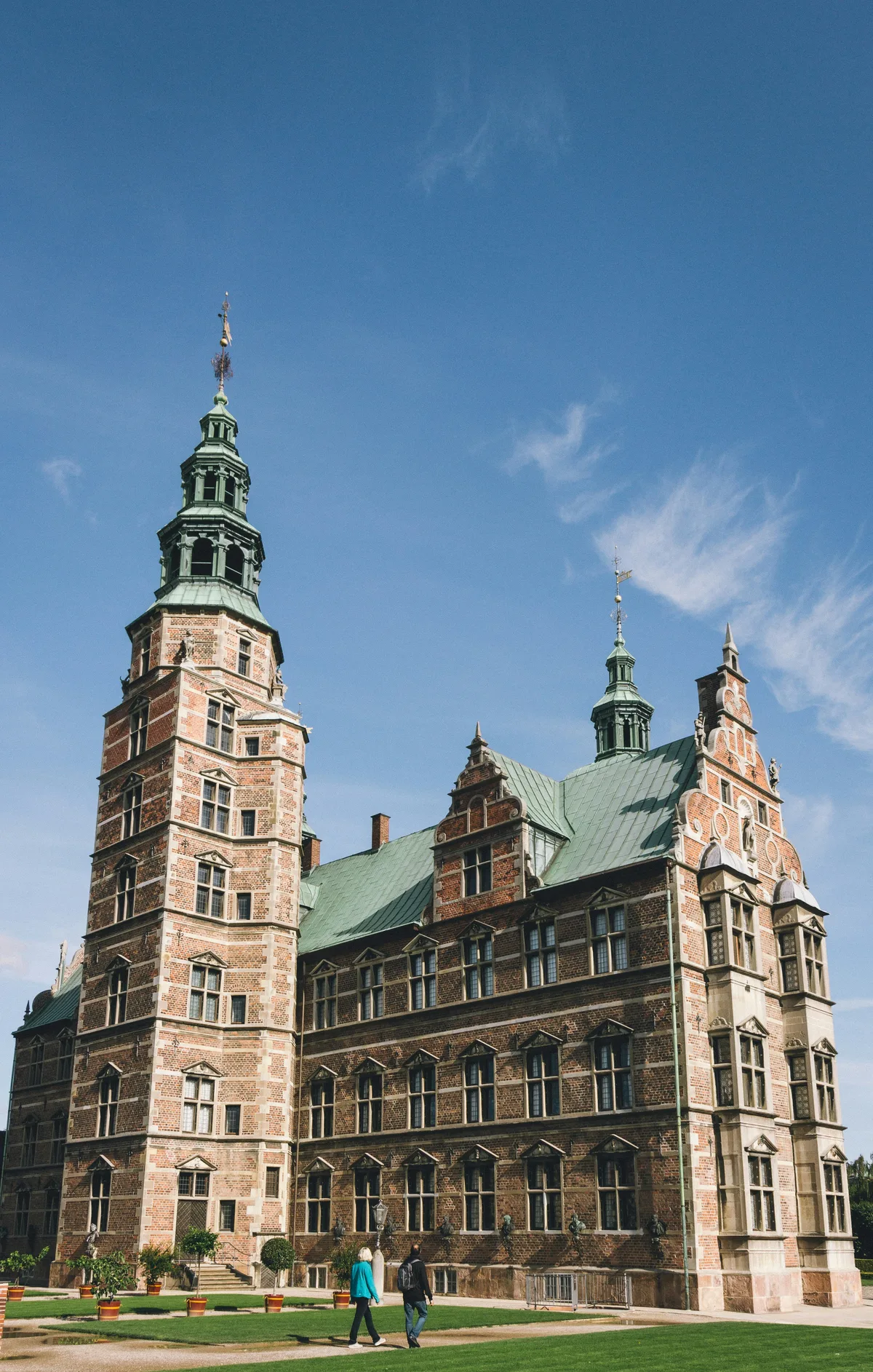
A 17th-century Dutch Renaissance castle in central Copenhagen built as a royal summerhouse, now home to the Danish crown jewels and the royal treasury.
Visitor guide
Rosenborg Castle is a Renaissance castle in central Copenhagen, Denmark, built as a country summerhouse by King Christian IV in the early 17th century. It stands in the King's Garden and now houses royal collections including the Danish crown jewels and regalia.
Work on the castle began in 1606 in the Dutch Renaissance style typical of Danish buildings of the period. It was expanded several times and reached its present form by 1624, with the architects Bertel Lange and Hans van Steenwinckel the Younger associated with its planning. Danish monarchs used Rosenborg as a royal residence until around 1710. After the reign of Frederik IV it was used as a residence only twice, in emergencies: after Christiansborg Palace burned in 1794 and during the British attack on Copenhagen in 1801. It opened to the public in 1838. Christian IV was responsible for many architectural projects in and around Copenhagen, and Rosenborg is among the best-known of them.
On the third floor, completed in 1624 as a ballroom, the Long Hall is also called the Knights' Hall, a name used from the second half of the 19th century. Christian V had twelve tapestries made depicting his victories in the Scanian War. The stucco ceiling dates from the early 18th century and bears the Danish coat of arms with the Orders of the Elephant and the Dannebrog. The hall's main attractions include the coronation chair of the absolutist kings and the queens' throne, with three silver lions in front, made by Ferdinand Kubich between 1665 and 1670.
The castle's treasury holds the Danish crown jewels and regalia, along with the coronation carpet. Wikipedia lists the crown of Christian IV, the crown of Christian V and the queen's crown made in 1731 for Queen Sophie Magdalene, as well as the orb and golden sceptre made in 1648 for the coronation of Frederick III. Other objects include Christian III's sword of state and the royal baptismal set. Christian IV's writing room and a historic royal toilet with Dutch Delftware tiles give a sense of everyday life. The Stone Corridor displays a genealogical chart of Christian IV, and a gilt war game set with miniature infantry and cavalry is also among the objects on show.
The castle sits in Kongens Have, the King's Garden, described by Wikipedia as the country's oldest royal garden. Christian IV embellished it in the Renaissance style shortly before the main castle was built. Today it is a popular retreat for Copenhageners, with an estimated 2.5 million visitors a year, and the Royal Life Guards are garrisoned in barracks next to the castle.
A private guided visit with a driver can fit Rosenborg between Amalienborg and the city centre, and a guide can help visitors understand the regalia and symbols.
See every tour and attraction we cover in Denmark.